Patterns
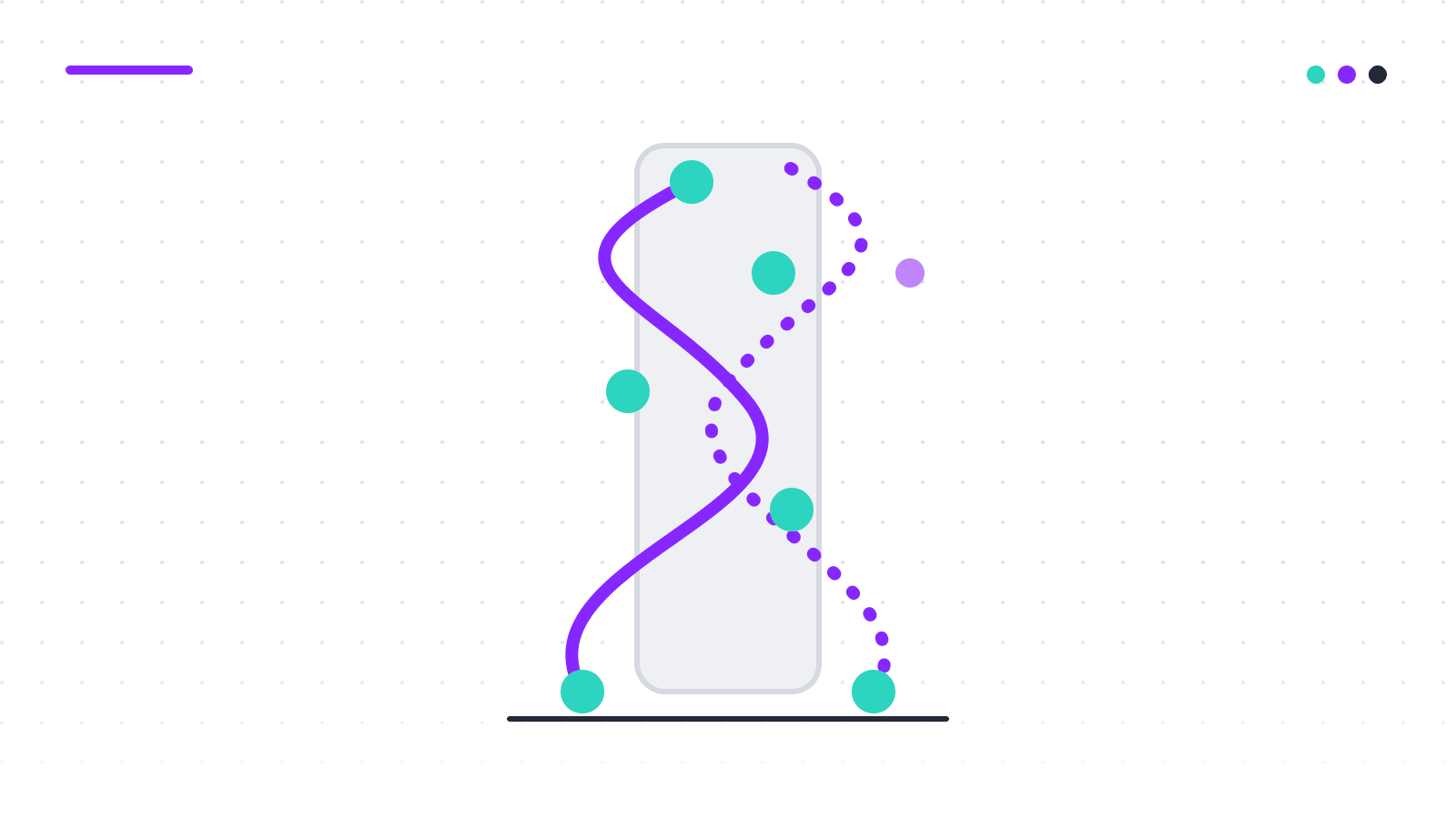
The strangler fig pattern: replacing a legacy system one workflow at a time
How the strangler fig pattern replaces a legacy system one workflow at a time, why it beats a big-bang rewrite, and where shared data and jobs break it.
Patterns
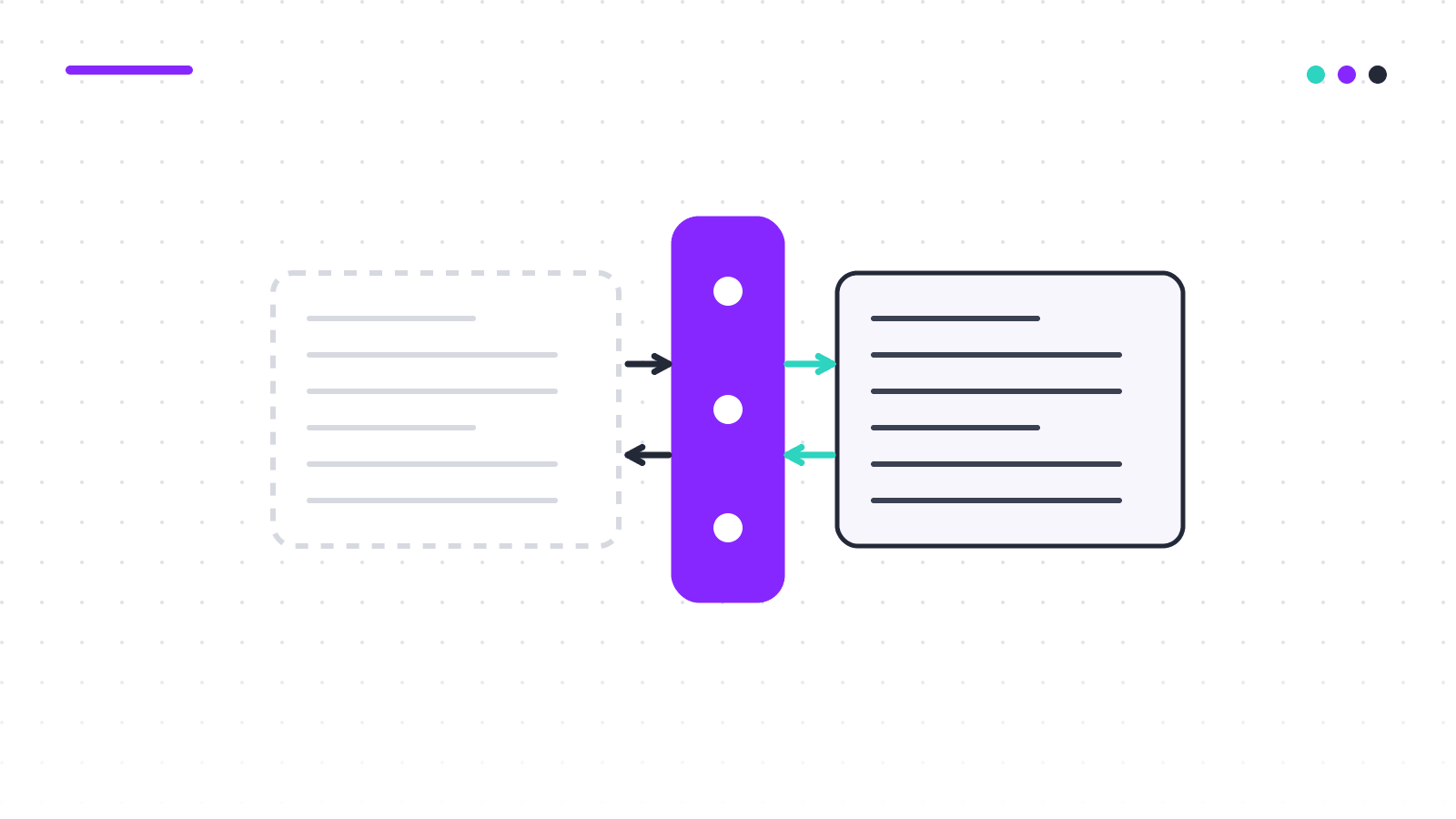
The anti-corruption layer: keeping the old system's quirks out of the new one
What Eric Evans's anti-corruption layer is, shown on a legacy invoicing example, why a parallel rebuild needs one, and when it is scaffolding or permanent.
Patterns
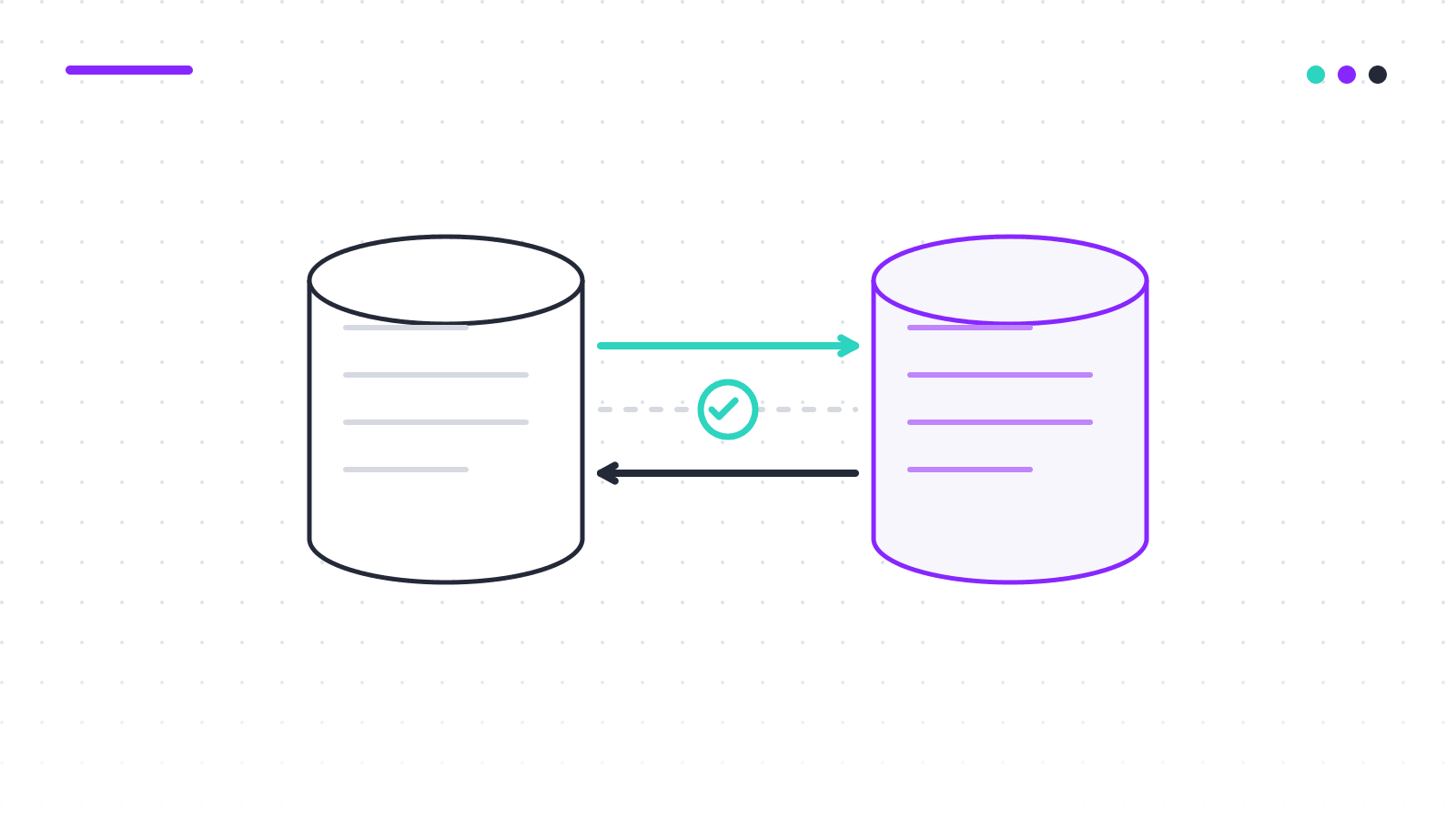
Data migration vs synchronization: planning the cutover that decides success
Why data cutover needs its own workstream: mappings, backfill, sync, write ownership, reconciliation and rollback, plus dual-write vs CDC trade-offs.
Patterns
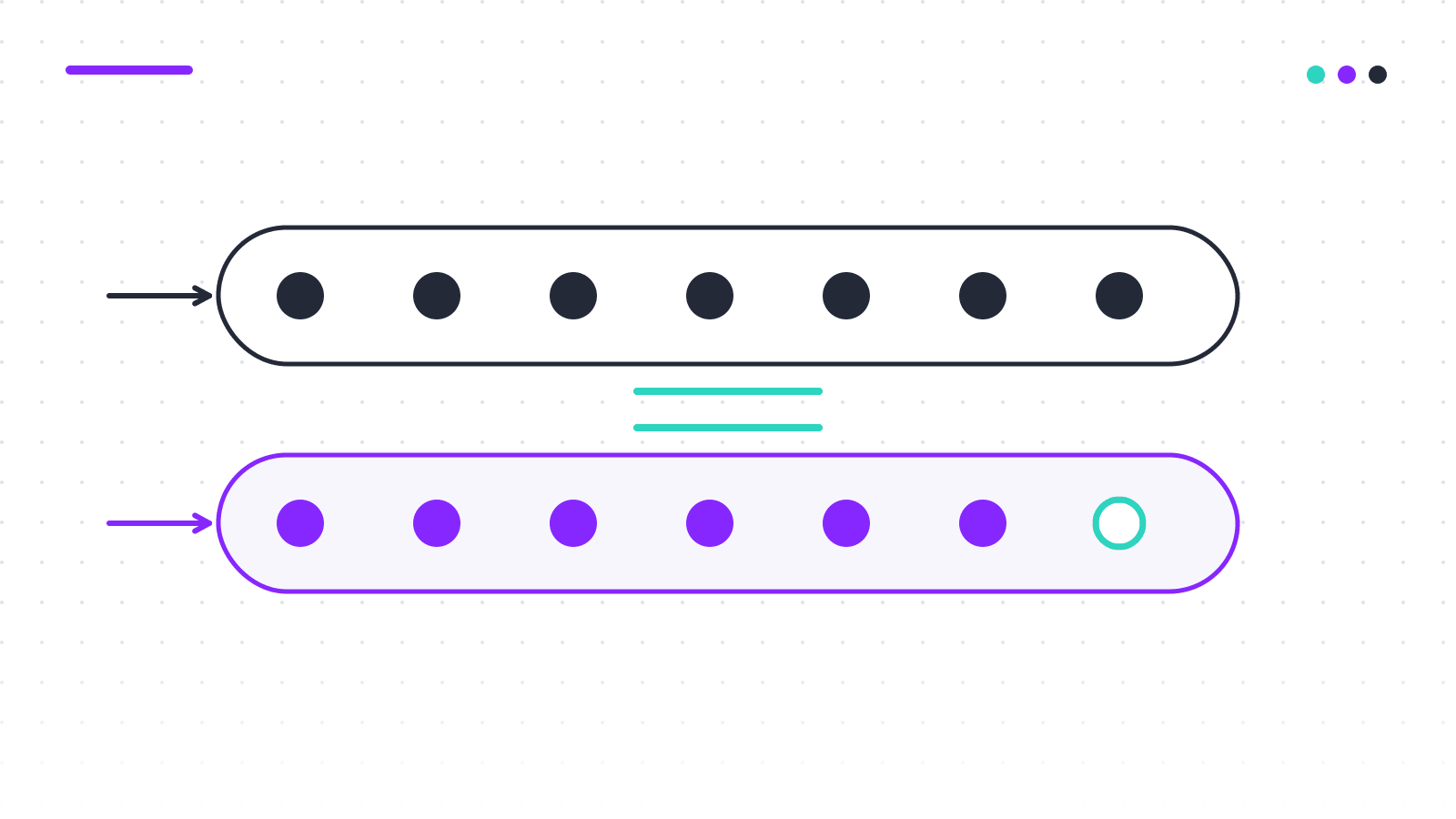
Parallel run and shadow traffic: proving a rebuild before customers touch it
How to prove a rebuilt legacy workflow before customers use it: replay vs shadow traffic, side effects, what to compare and reading a proof report.
Patterns
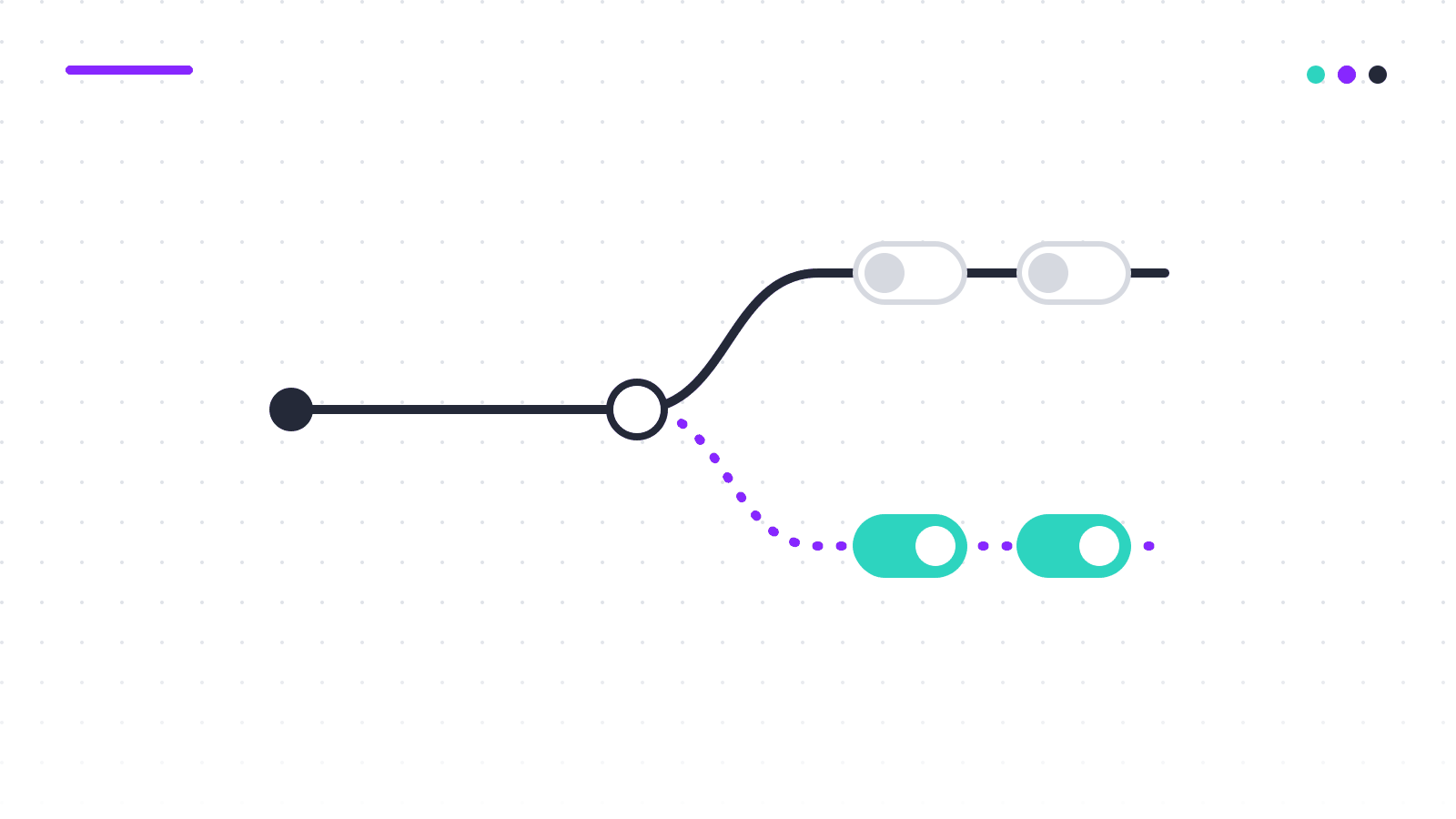
Branch by abstraction and feature toggles inside a legacy codebase
How to replace the parts of a legacy system a proxy can't reach: branch by abstraction, cohort toggles, a 1% to 100% release path and cleaning up after.
Market data
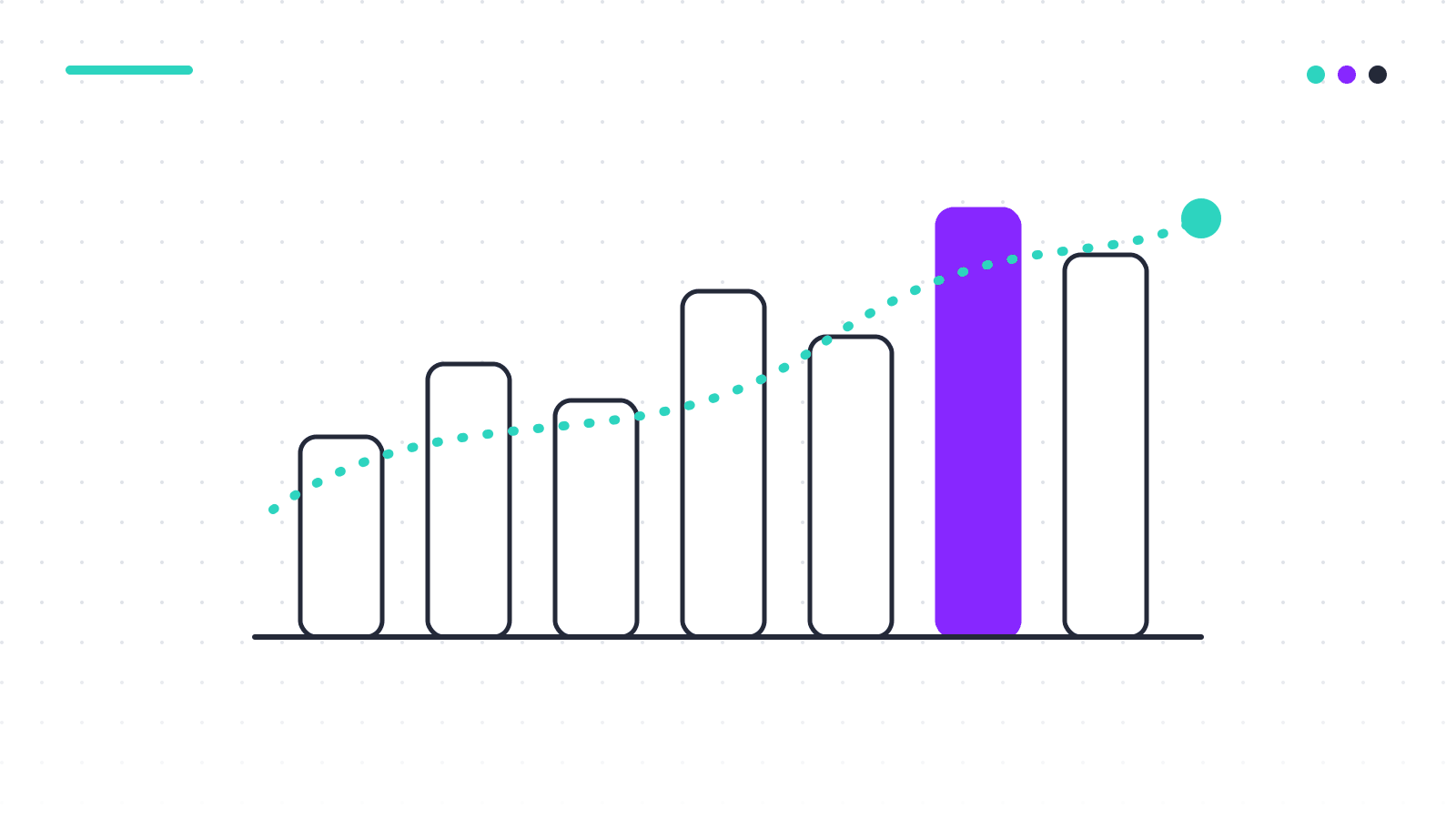
Legacy software in numbers: what the global data says
Verified figures on IT maintenance spend, upkeep hours, Java 8, .NET Framework and COBOL persistence and skills gaps, plus how to set your own baseline.
Market data
The US legacy problem: federal, financial and mid-market systems by the numbers
Verified US legacy system figures: GAO federal findings, bank and insurer core data, the mid-market gap, and rules that turn modernization into a deadline.
Market data
Why modernization projects miss their targets, and what the rest do differently
What the failure statistics for IT and modernization projects actually say, where the 70% myth comes from, and a checklist to score your own plan.
Market data
The cost of a code freeze: what a frozen roadmap really costs
What a long code freeze costs in delayed revenue, wasted capacity and attrition, with a simple model to price one freeze week and a worked example.
Decision guide
Build, buy or renew: a decision framework for your core system
Rebuild, buy a SaaS replacement or renew incrementally? Compare the routes on cost, time, risk and knowledge, then score your system on four questions.
Decision guide
How to put a price on waiting: a cost-of-delay calculation a CFO can defend
A step-by-step cost-of-delay calculation for a legacy system: worked example, ranges, and how to add maintenance and risk without double counting.
Decision guide
Key-person risk: when two people hold the whole system in their heads
Why key-person risk stays off the risk register, how to measure it with the bus factor, and a 90-day plan to recover knowledge from the running system.
Decision guide
Modernization as a subscription or project: which fits how you fund technology?
Fixed price, time and materials or subscription for legacy modernization: who carries scope risk, what boards ask about capex and opex, and exit terms.
Decision guide
Twelve questions to ask any modernization vendor before you sign
Twelve questions finance, risk and engineering should put to a modernization vendor, the red flags in the answers and what a credible pilot looks like.
Engineering
Your production system is the specification: rules from observed behavior
Code reading and interviews each miss half the rules. Derive testable requirements from your running system, with evidence, stable IDs and known gaps.
Engineering
Rails upgrade or Rails rebuild? A guide for teams stuck on Rails 4, 5 or 6
What an in-place Rails upgrade really costs, current Rails and Ruby end-of-life dates, and a four-factor table for choosing upgrade or incremental rebuild.
Engineering
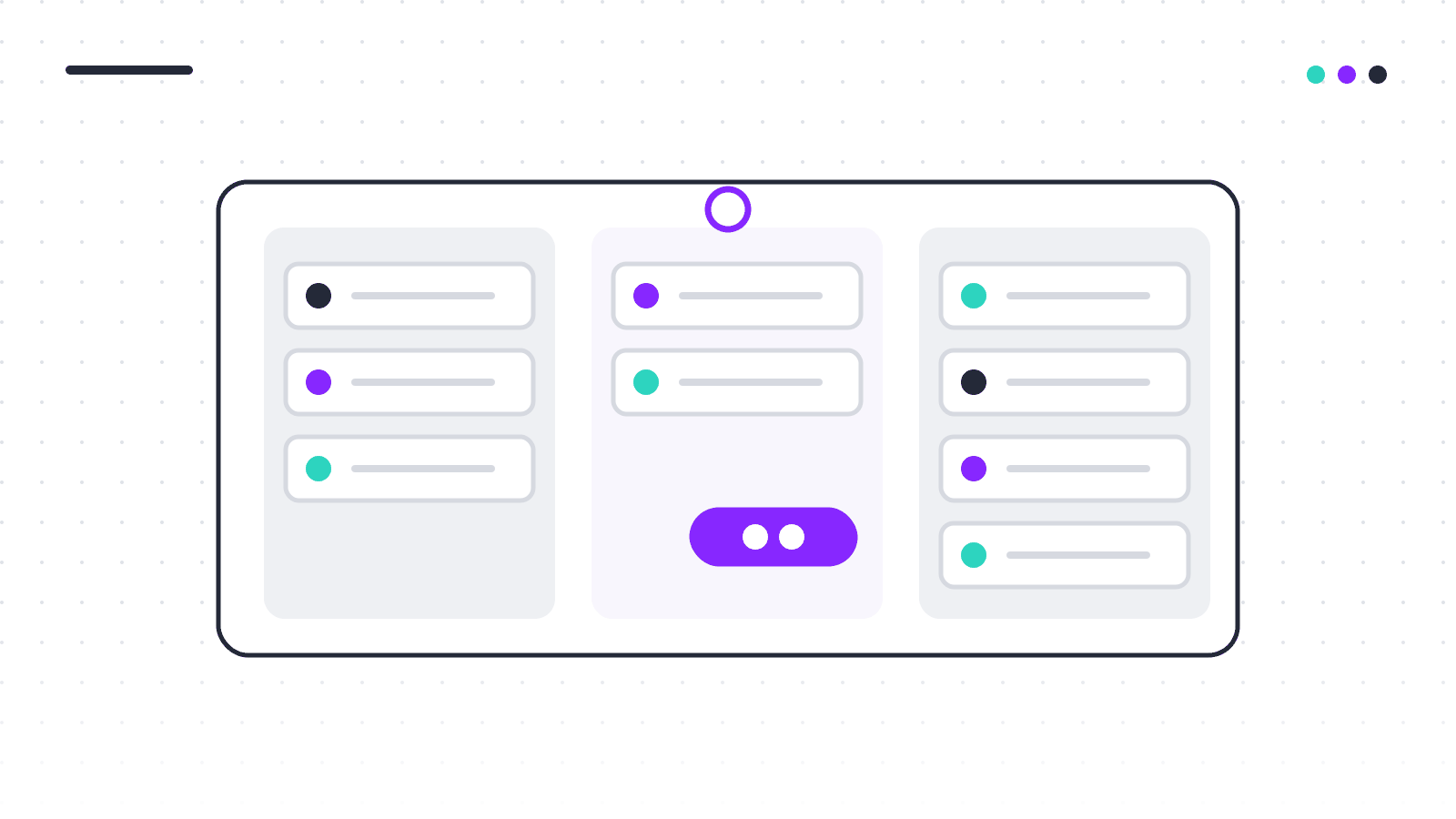
AI agents in legacy modernization: what they do well and where people stay
What AI agents do well in legacy modernization, the gates people must own, what the research says about AI code, and why automation still needs approval.
Engineering
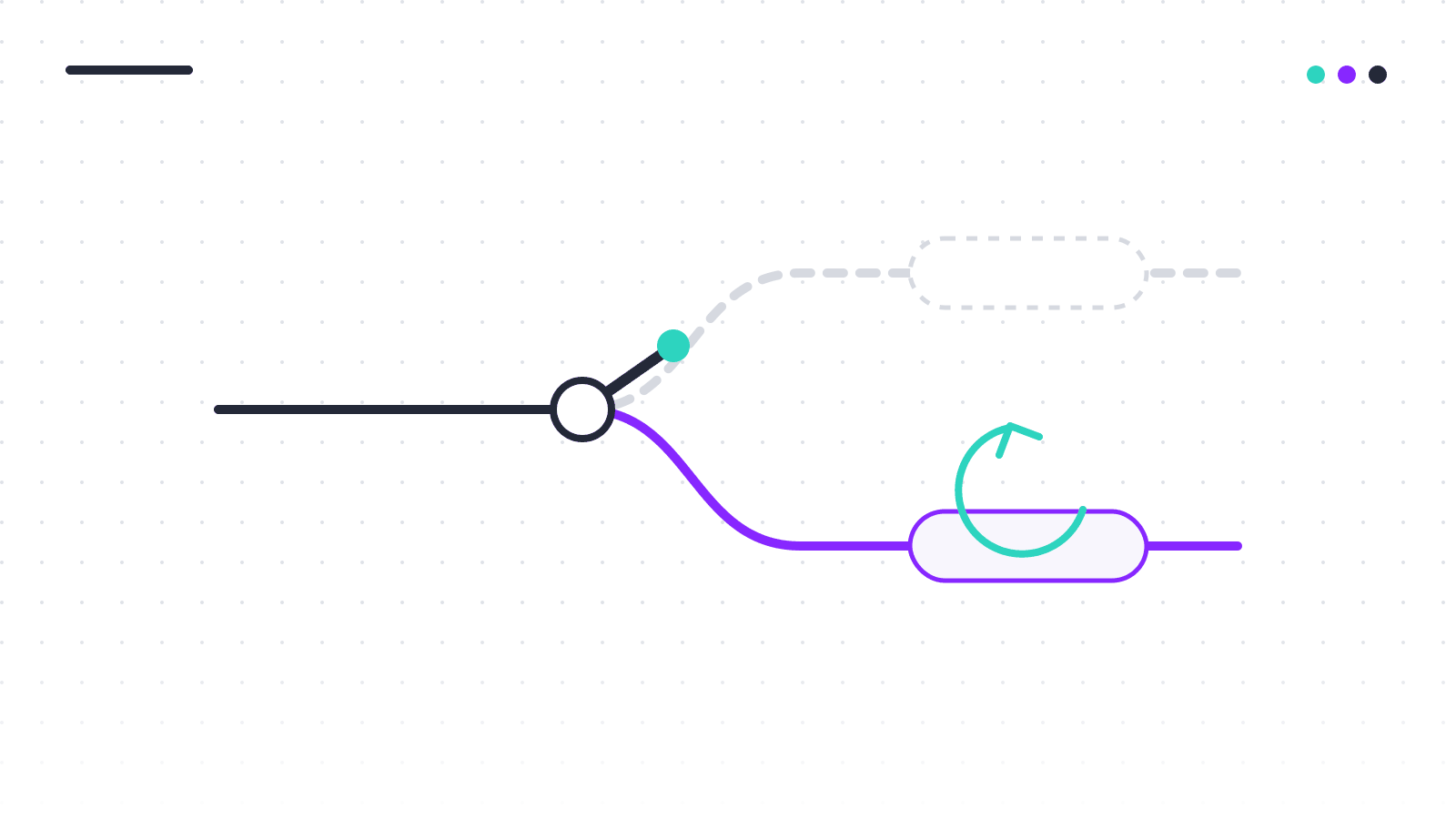
Rollback is a routing change: designing releases you can undo
How to design a legacy release you can undo: cohorts, acceptance criteria per step, expand/contract for data, a rehearsed rollback and a transition log.
Governance
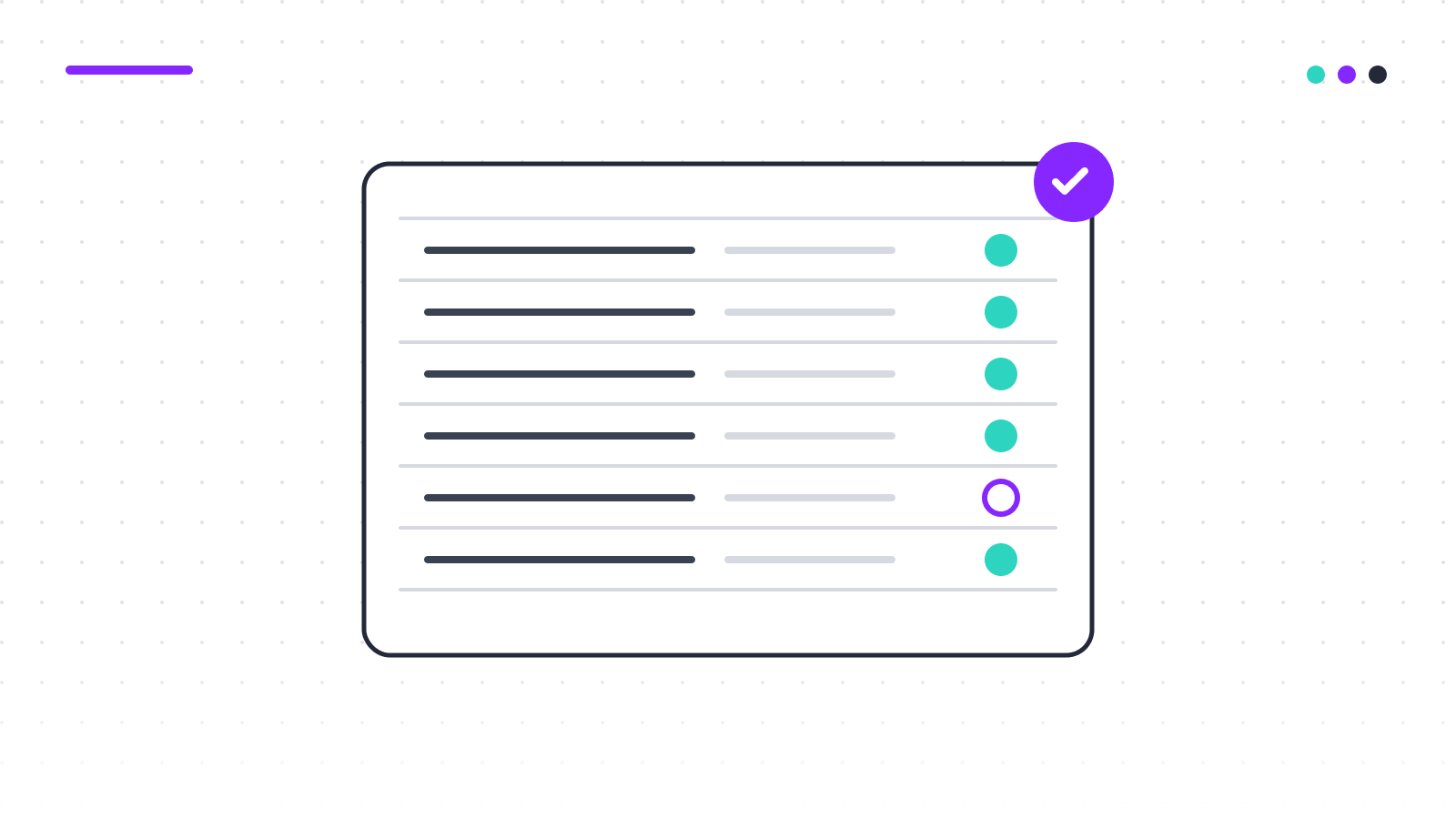
Explaining a modernization program to your auditor
How SOC 2, ISO 27001, SOX and DORA change controls map to a legacy modernization program, with a sample control narrative from capture to release.
Governance
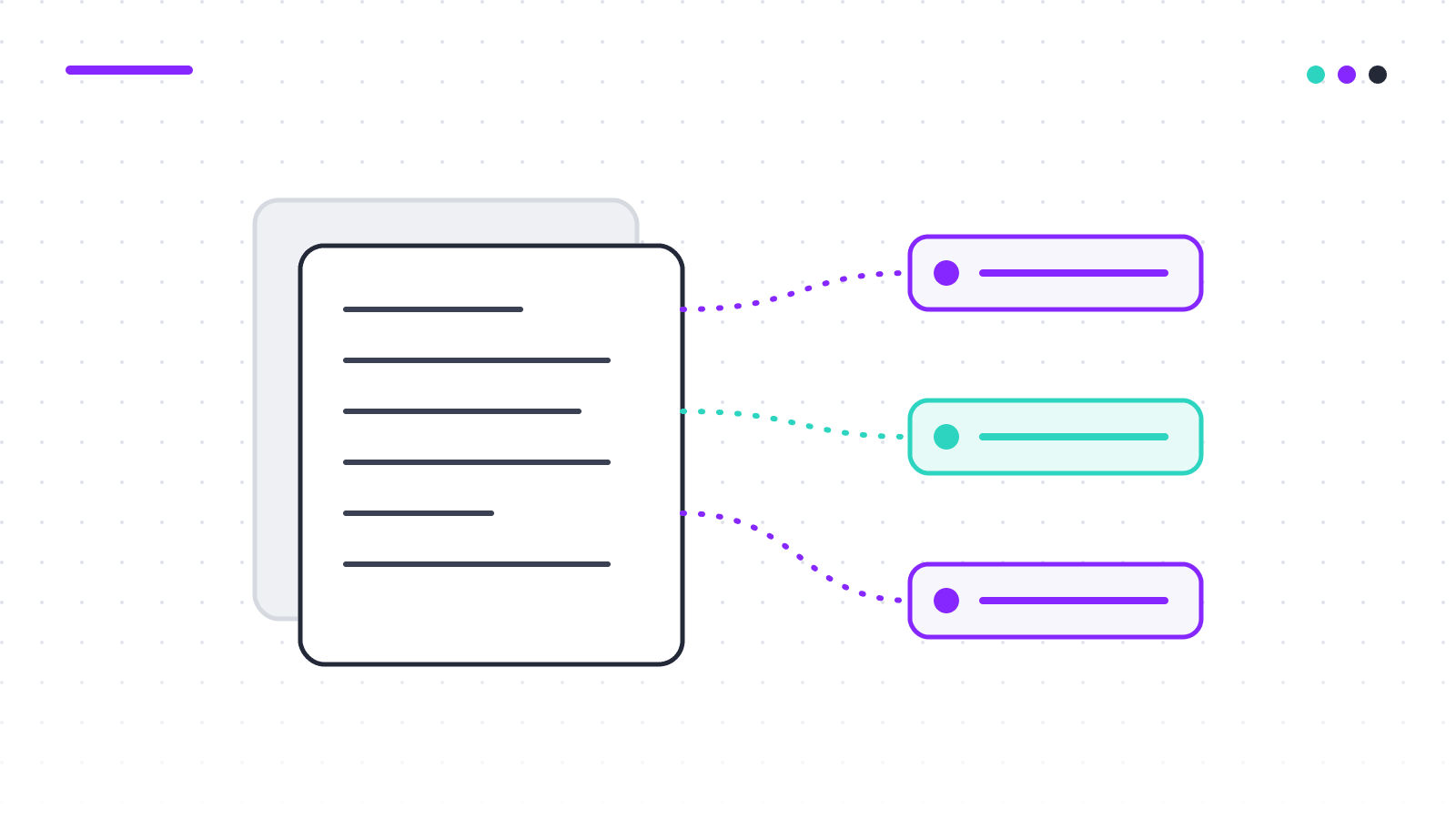
Living documentation: why generated docs rot and what keeps them true
Why docs generated from code rot, how linking pages to work items keeps them true, and three measures of documentation health for legacy systems.